
It is Tuesday and that can only mean one thing. I am either neglecting my patients for the delicious meat-stuffed corn tortillas down in the cafeteria. One of the greatest, or perhaps the greatest, fifty two days of the year. Taco Tuesday is where we get together to reminisce, throw together new ideas, or even think about how we would improve on those we’ve already made. Now if you hadn’t already figured since I make a weekly column about it: I love tacos. Soft shell, hard shell, with the fixings, steak, chicken, fish, venison, vegetarian, really it doesn’t matter. What I don’t like is when the chef prepares a delicious sauce made of rat poison and then decides to apply it to my food after I have already bought it. No refunds.
So for this week, I’d like to talk about various “events” that should have been thrown out while still just a thought in someone’s brain.
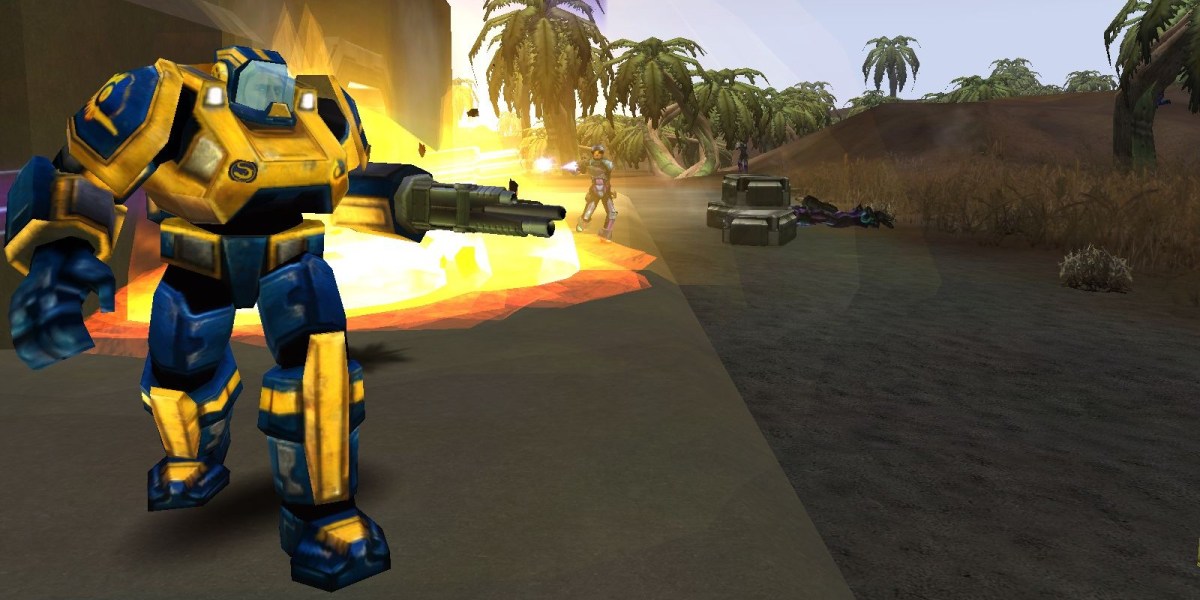
5. Planetside: Core Combat
It isn’t often that an expansion can actually damage the game it is attached to, but Core Combat managed to pull it off anyway. Core Combat introduced the idea of caverns, underground areas that could only be accessed by constantly active/inactive portals, where players would battle it out over ancient technology. By capturing nodes in the field below, players were then able to bring those modules up to the surface and gain access to equipment that placed them above their standard, non-alien tech using foe.
The caverns in Core Combat were a pain to get to, a pain to navigate through (a series of small floating bases connected by zip lines), all for a reward that wasn’t really worth the effort. And as a result, the caverns below each planet were about as populated as before the expansion went public: Zero.
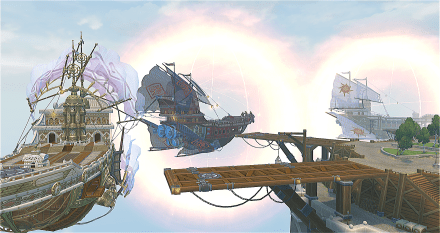
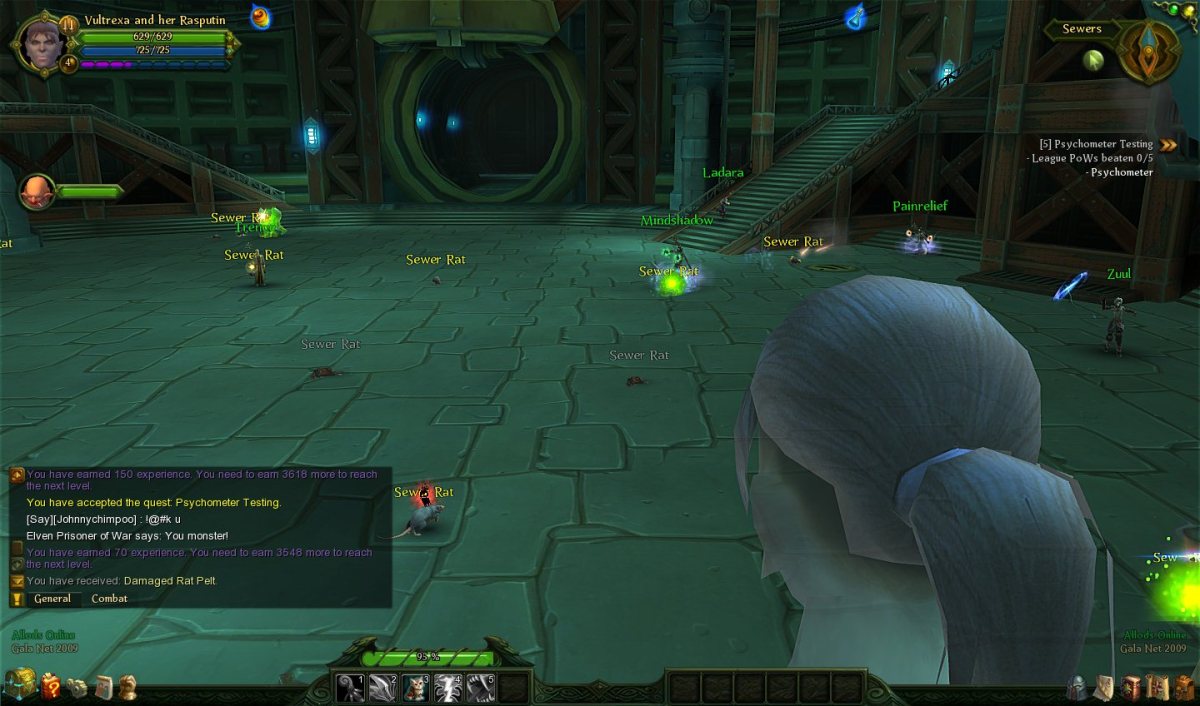
4. Allods Online And Its Cash Shop
I remember years ago calling Allods Online as the Free To Play World of Warcraft, and for what its worth I still think the game had a shot at winning that title. Playing in the beta all those years back, Allods Online offered for the subscriptionless crowd exactly what World of Warcraft offered for the subscription crowd back in 2004, and we loved it. Allods Online had depth, the content was polished and the game looked great to boot. And the content promised by gPotato had us foaming at the mouths.
And then the cash shop was introduced. One mistake after another, from inflating prices 10x between Russia and North America/Europe to the whole system of “pay us when you die,” mechanic, the combined powers of Astrum Nival and gPotato managed to not just make poor decisions for the game’s cash shop, but both developers ganged up on their PR departments and made a note of beating them to a bloody pulp. In the case of the Fear of Death mechanic, Astrum Nival portrayed an astounding ability to learn absolutely nothing from its community, and replace the temporary debuff with a permanent debuff. Needless to say, Astrum Nival learned its lesson, but not before Allods Online had relinquished its title as the next World of Warcraft, and set fire to that massive pile of money that the community was just waiting to hand over.
So where do we find ourselves in 2012? Allods Online is a great game, now that many of the cash shop problems have been ironed out. Unfortunately, the game has burned so many bridges that its once-loyal fans aren’t coming back.
3. Jagex And The Great Fansite Lawsuit
I’ve always said Jagex has had an interesting relationship with its community. In the eleven years since RuneScape’s inception, much of that time has been one arm over the shoulder, the other holding a gun to the customer’s back. Sure, the Jagex of old appreciated fans creating websites, but if you mentioned one you could be permanently muted. The old Jagex that held Q&A’s with its community to fight off the idea that they were closed, but the Q&A could predictably hold more than half of the answers being “I can’t answer that now,” with nothing of substance stated. While Jagex has improved its community relations exponentially under Mark Gerhard, there are still old wounds yet to be closed.
But Jagex’s lowest point in PR has to be in 2006 when Tip.It published an article titled Biased Banning Raises Brows. The article sharply criticized Jagex’s banning policy, from vague bans for apparent advertising and inappropriate conduct, to banning families/friends playing on separate computers from the same house (and thus the same IP address), accusing them of being one person multi-boxing. The article also discussed the banning of players with names that would make sense in other languages, but might sound inappropriate when directly spoken in English, and Jagex’s policy of allowing accounts to exist for months, if not years, before banning them without warning and without the ability to change their names. On Tip.It, the article generated quite a bit of discussion with players offering their own stories of over-the-top permanent bans for minor offenses, or misunderstandings on Jagex’s part (banning one player for impersonating a moderator, the person in question simply expressing a desire to one day become a moderator).
So how did Jagex respond to the thread? With grace. Founder Andrew Gower showed up on the Tip.It forums to deny the claims in person. Oh and he threatened to sue the author for libel.
We are considering legal action against the author of this article on the basis of libel. It would be within the author of this articles interest to remove it and contact us immediately.
Now RuneScape was too big by 2006 and this event was too isolated to cause any PR damage, but I like to think Andrew Gower might regret having flown off the handle and seriously considered launching a frivolous lawsuit for the purpose of shutting up some random guy on the internet.
2. Monte Crisco Asks For Subscription
Of course I’m talking about Cities XL, a game some of you may not remember. Cities XL was a city building MMO by Monte Crisco, allowing players to choose between playing online or playing offline, with various perks and setbacks for either play mode. Players online were able to trade resources between cities, work together to build monuments, and generally accomplish what Sim City had not yet attempted. Then Monte Crisco added a subscription.
In order to play online, Cities XL required a subscription fee. The service itself was nowhere near worth the $10 a month Monte Crisco expected players to fork up for the ability to trade between cities, and lose their cities should they stop paying. Cities XL released during that period where multiple different types of products were attempting to launch with subscriptions attached, and like many of its fellow experiments, when it died it left a bankrupt developer. Monte Crisco went bankrupt and the sequel, Cities XL 2012, was developed by Focus Home Interactive.
1. Announcing MMOs Too Early
I bet you thought #1 would be about Star Wars Galaxies didn’t you? Well Galaxies is dead and that issue has been beaten to death. I want to talk about vaporware, in the sense that some MMOs are announced way too early, and the developer either attempts to hype it up all the way to release, or they go silent for the following decade and everyone assumes that they’ve died at the computer screen from malnourishment. Take Darkfall for instance. Darkfall was originally announced in 2001 and released in 2009. Funcom originally announced Anarchy Online’s new engine upgrade in 2007, and Half Life 2: Episode 3 was supposed to be finished five years ago.
Point being: It is important to have a game in a realistic state before you begin talking about it.



 MMO Fallout