

2016, like any year, marked the sunsetting of multiple online games, some of which we’ve already forgotten about thanks to the release of big name titles and updates to those games that we are spending too much time playing. Sure, sure, that Shantae port on Xbox 360 and Playstation 3 got cancelled, can someone tell me when Sombra will be playable on the live servers? The PC, not console, who wants to play this game on console?
Anyhow, let’s start off the 2016 reminiscing not by talking about the US primaries, but by looking at some of the games we lost this year.
1. Everquest Next
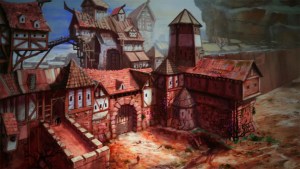
I think that if there is any indication as to where Daybreak currently stands, assuming the layoffs aren’t enough of an indication, it is the company cancelling what should have been the flagship title of its flagship franchise. Its companion program, Landmark, has become a useless endeavor with the reason for its existence no longer on the table and the community has abandoned it for the most part. Presently, as of this writing, Landmark is averaging four concurrent users over the past month and carries one of the lowest ratings on Steam (14%).
But Everquest Next, for the fact that Daybreak decided to up and cancel it with the claim that it just wasn’t working out, seemed to have a lot of promise. Players tackling a Norrath where the world could be transformed, empires could be built, and you could dig your way underground to find dungeons. We were promised a world where players would be able to build their cities to greatness, take on all sorts of enemies, and prevent evil (or aid it) as it rises to destroy the world.
Whatever Everquest Next was, we will never know. Daybreak is hiring for something, so no doubt we will hear about this new title in 2017.

2. Nosgoth
Nosgoth was fantastic, and the fact that the team let me play with them to check out the (then upcoming) new map The Nest is probably skewing my memory slightly. The worst offense that Nosgoth ever committed was that they tried to make it a Legacy of Kain game, and the franchise fans were not happy at that. There was no single player, there was no story mode, and it was a MOBA coming out at a time when titles were not only coming out in droves by also dying by the dozen.
The game didn’t catch on, and that made it impossible to play. I’d started, then cancelled, several attempts at recording gameplay sessions and writing about this title merely because I would sit in matchmaking for upwards of a half hour and never find a match. At a different time, in a different place, maybe it would have worked out better. Unfortunately it didn’t, and the worst part is that the hopes of a true Legacy of Kain sequel may have gone with it.

3. Triad Wars
I had a lot of fear that Triad Wars was circling the drain around the time the developers implemented an update in beta that flat out removed every promotional weapon they had given out up to that point. At one point I believe I even apologized on Twitter for wasting everyone’s time by promoting these limited time events to obtain exclusive weapons that were just removed because the development team wasn’t sure how they wanted to handle weapon progression.
If Triad Wars was missing two crucial elements, it was multiplayer and a compelling cash shop. First, for a game that required you to connect to a server with the knowledge that your progress would be lost as soon as the developers decided to move on, Triad Wars could have provided us with some form of online multiplayer mode. Even cooperative would have been nice, perhaps some form of raid or a lobby-styled game of deathmatch, team deathmatch, etc. But no, Triad Wars was a single player game stuck in a multi-player world.
Elsewhere, Triad Wars severely lacked a compelling cash shop with things for people to spend money on, and as such didn’t bring in that much coveted whale demographic. Check out my early coverage.

4. The Mighty Quest For Epic Loot
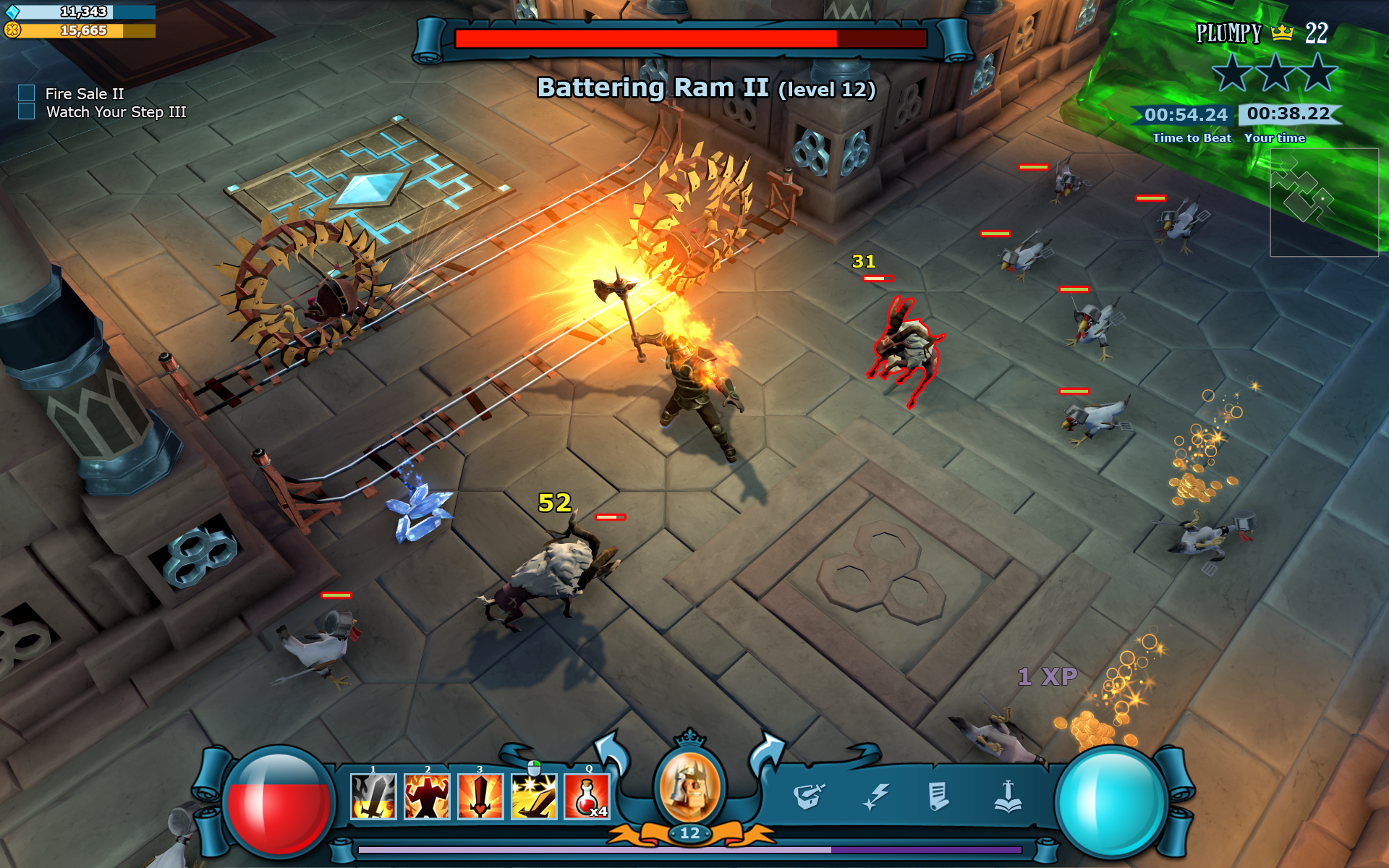
Much like Triad Wars, this game likely would have performed better if instead of a free to play game with microtransactions, it had launched as a budget title with online features and maybe more content actually developed by the team. The premise of The Mighty Quest wasn’t actually a bad one, you create your own dungeon and raid the dungeons of other players to steal their loot. In practice, however, various restrictions in the name of balance meant that most of the dungeons looked virtually identical.
So instead of a game with engaging content or story like Diablo or Path of Exile, you ran through xXx_Tw1l1ghtSprklz_xXx’s dungeon to then run through 123420ErRdAy’s dungeon, and the rest in perpetuity. The biggest complaint that I saw from players was that there just wasn’t enough content, for either builders or dungeon runners, and ultimately the game failed to catch on with an audience.
5. DUST 514
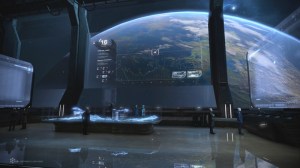
DUST 514 was released on the Playstation 3 in May 2013, six months before the launch of the Playstation 4, cementing it as one of the worst timed launches in gaming history. Couple that with poor graphics, subpar controls, and shoddy hit detection, and microtransactions, and you have a poor man’s Battlefield on a soon to be dead system. While the technology behind DUST was pretty impressive, allowing players in the console game to have an influence on corporation battles in Eve Online, there wasn’t a whole lot given to people in DUST.
The fact that DUST 514 was hardly a year old before CCP was already looking to replace it with a more functional PC version is evidence enough of how quickly the team lost faith in their console game. Unfortunately, Project Legion was also scrapped and in 2016 CCP announced that Project Nova would be its successor. Also a first person shooter, CCP hasn’t quite nailed down exactly how it will interact with the Eve Online universe.

6. Planetside
It’s hard to shed a tear for Planetside, thirteen years is a pretty good run for an MMO, especially one that relies 100% on player vs player combat, and one where said player population dwindled considerably and many years earlier. Even though gamers today won’t be able to play the Planetside that you or I enjoyed from 2003, the memory of this title will forever linger in our memories as very likely the best persistent world first person shooter that has, or will, ever exist.
Above Planetside 2 and…

7. Lego Minifigures Online
That last sentence wasn’t meant to transition into this one. Lego Minifigures Online was an alright game with a poor monetization scheme that got slightly better but not until the damage was done. Incidentally, I talked about this years ago when I interviewed Stephen Calender over why Lego Universe failed: Kids don’t have money, and parents are very frugal about what they are willing to spend in terms of online games for their kids. In that vein, you could probably argue that the title was doomed from the start.
Personally I see it as a matter of all things coming together. At its core, Lego Minifigures Online was little more than a basic ARPG, a Diablo with what should have been the unstoppable power of the Lego franchise behind it. Unfortunately the game was up against Lego’s ‘toys to life’ product Lego Dimensions while other Lego games continued to release that looked better, played on consoles, and arguably had more engaging gameplay.

 MMO Fallout