And their little dog too.
Continue reading “Steam Cleaned: Asset Thief Streamworks Banned From Store”

And their little dog too.
Continue reading “Steam Cleaned: Asset Thief Streamworks Banned From Store”
Sergey Titov’s new title is already not meeting deadlines.
Continue reading “Outbreak New Dawn Alters Alpha Date At Last Minute”
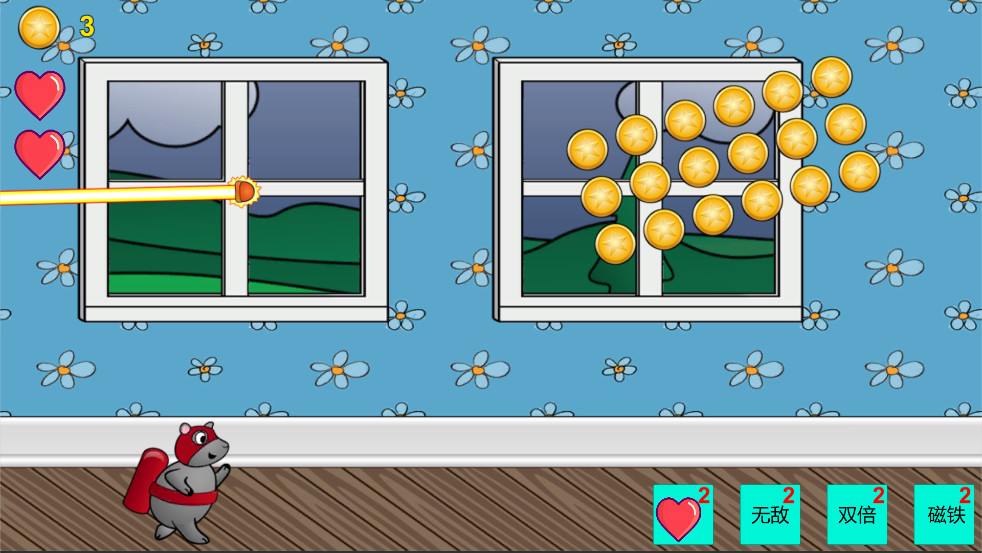
I’ve come across a rather strange phenomenon on Steam and it revolves around games that look like asset flips and sell for $200. Where do these games come from? Who are they selling to? Why are they priced at two hundred smackeroos? Are they all money laundering schemes? I don’t recommend going to the links in this article and buying any of these games, unless you think that burning $200 is worth flexing on the friends who will abandon you once they realize how criminally irresponsible you are with money.
For the record I deliberately left out a number of games that were clearly for educational/training purposes, games put up on Steam for pop-up events, and titles that are clearly trolling. This is also not the complete set of $200 Steam games by a large margin, just a carefully selected sample size of those that would show up with Valve’s wonderful search engine filtering by price.
Thank you for coming to my TED Talk.
#1: MouseRun (pictured above)
#2: Strike Mole
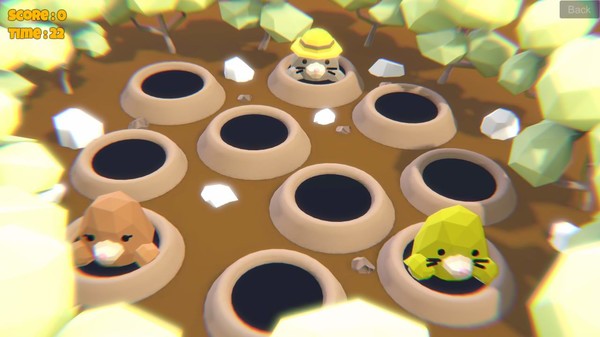
If you really want to play Strike Mole, I have good news. You can do so without spending more than $25. Plus tax. Strike Mole is a $200 asset flip of the Unity Store game Whack a Mole and you can buy the package for $25, zip it yourself, and play to your heart’s content. Another game by a fly by night developer who happens to also be Chinese.
#3: CrisisActionVR
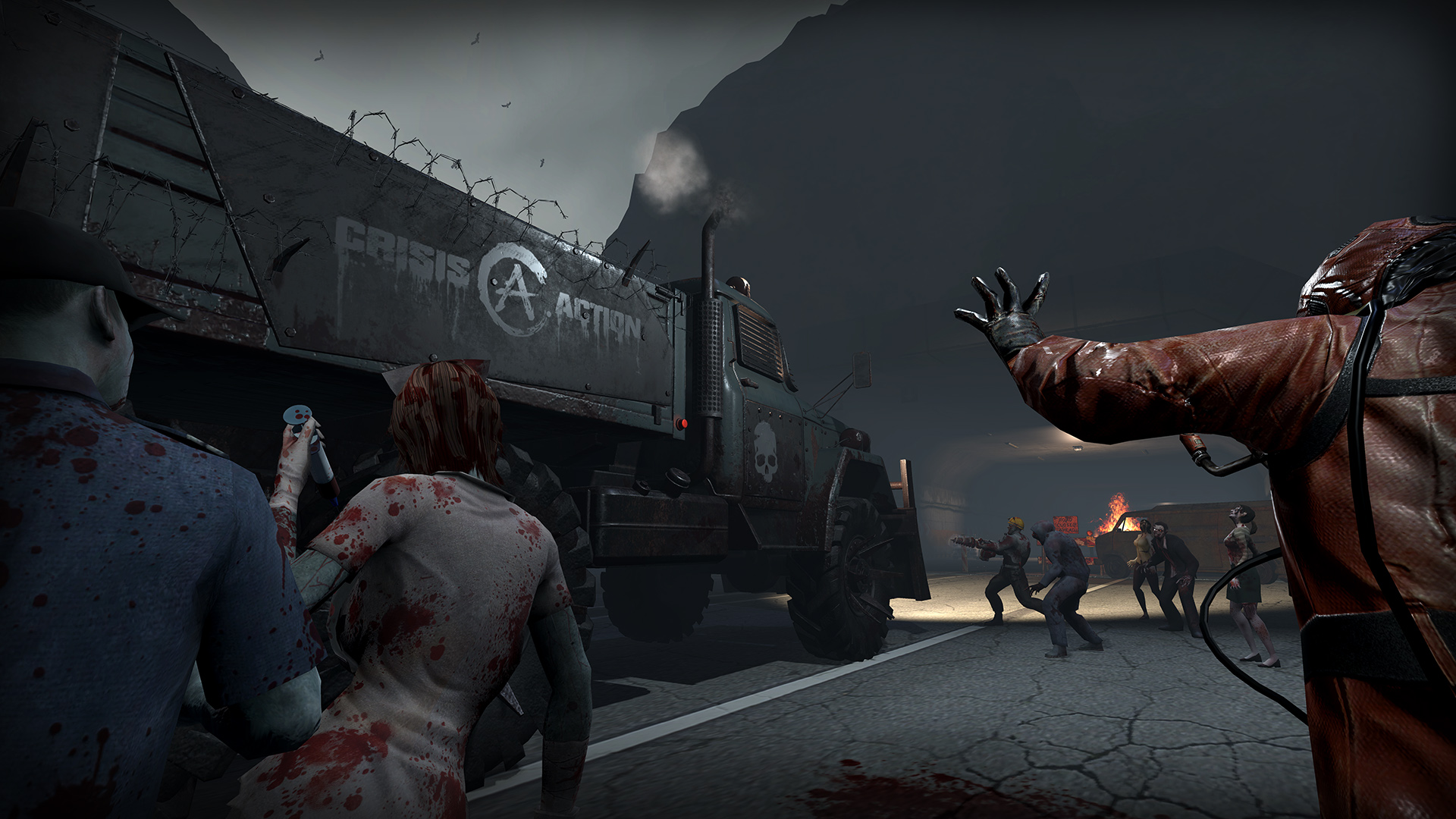
Crisis Action VR is another game available in English and Simplified Chinese by a developer (Pixel Wonder) that only published one game. SteamDB shows that Crisis Action VR was once $20 but in April 2018 the price inexplicably rose to $200. Maybe the developer no longer wishes to sell it? Maybe they don’t understand decimal points. Your guess is as good as mine. Crisis Action VR is the only game on this list that looks like it came the closest to being a real game.
#4: LLK

LLK is definitely a pre-bought asset package for a mobile game, of what I would be lying if I implied I had any intention of searching around for the answer to. The game peaked at 6 players on Steam and has never changed its price from the $200, so it LLK is a money laundering scheme than it has cleaned at least $1200 USD with $360 going to Valve as their cut. Who knows, maybe this is medical grade memory testing software. I wrote my name down wrong this week, maybe LLK can help.
This one isn’t available in Chinese but the developer is Chenyun0577. I’ll let you make your conclusions.
#5: NUMBER

I’m starting to see a trend here. The previous game LLK was created by Chenyun0577, and NUMBER was created by rongyao0577. Two Chinese developers with names that sound like a bot generated them? Nope, nothing suspicious here. They also released on the same day. Coincidence, surely. NUMBER had five players max concurrently playing it.
Those money launderers sure do like memory games. Maybe it helps them remember where all their money is being funneled.
#6: Adventure Trip
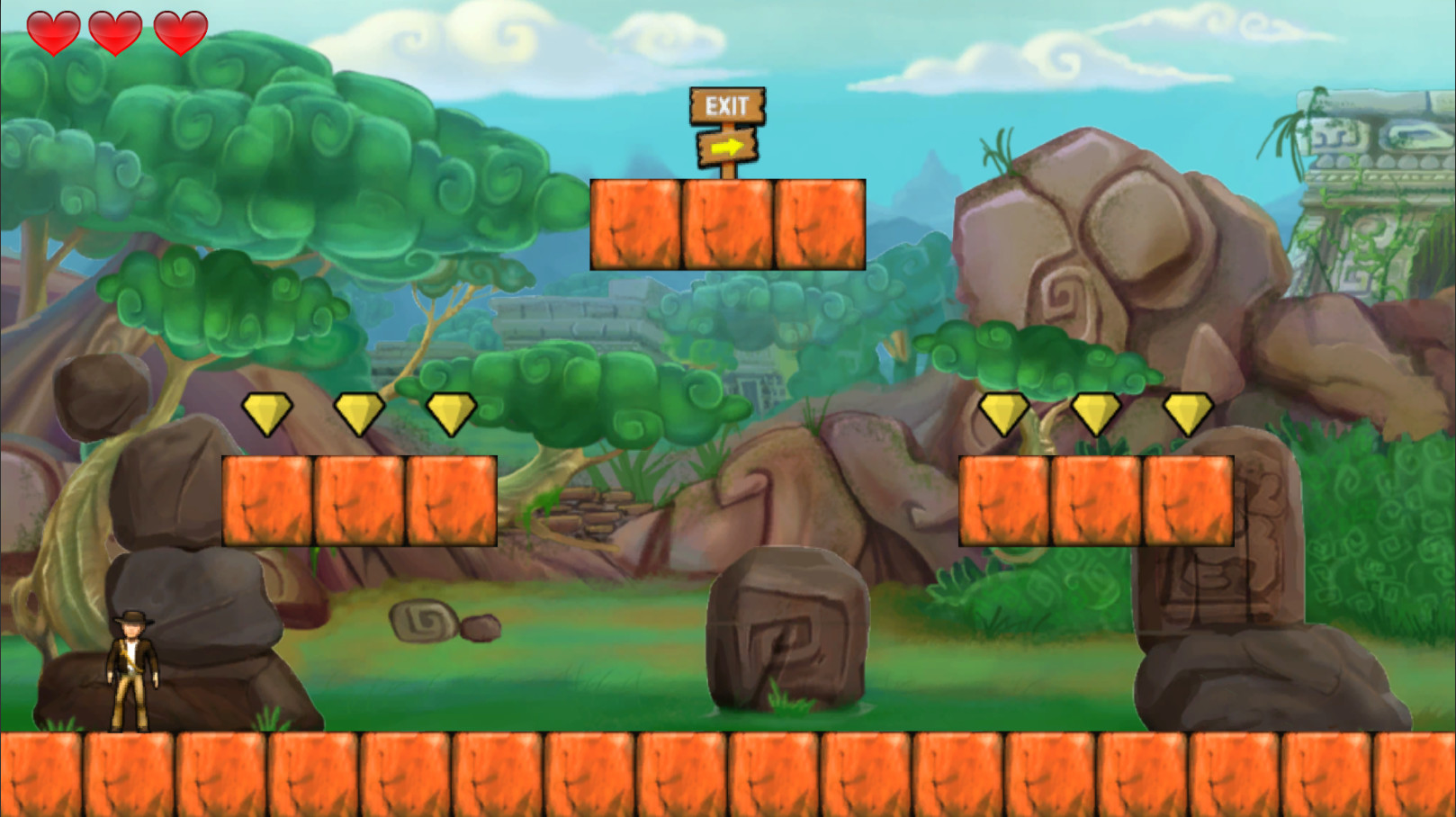
Adventure Trip is available on the iOS store, and I assume it doesn’t cost $200 there. Adventure Trip is available from a developer with one game and, you guessed it, in Simplified Chinese. Unlike the last games on this list, if anyone actually bought into this scheme they haven’t actually played the game. Adventure Trip has five followers but no activity charted.
This game can be played free here. Thanks Reddit.
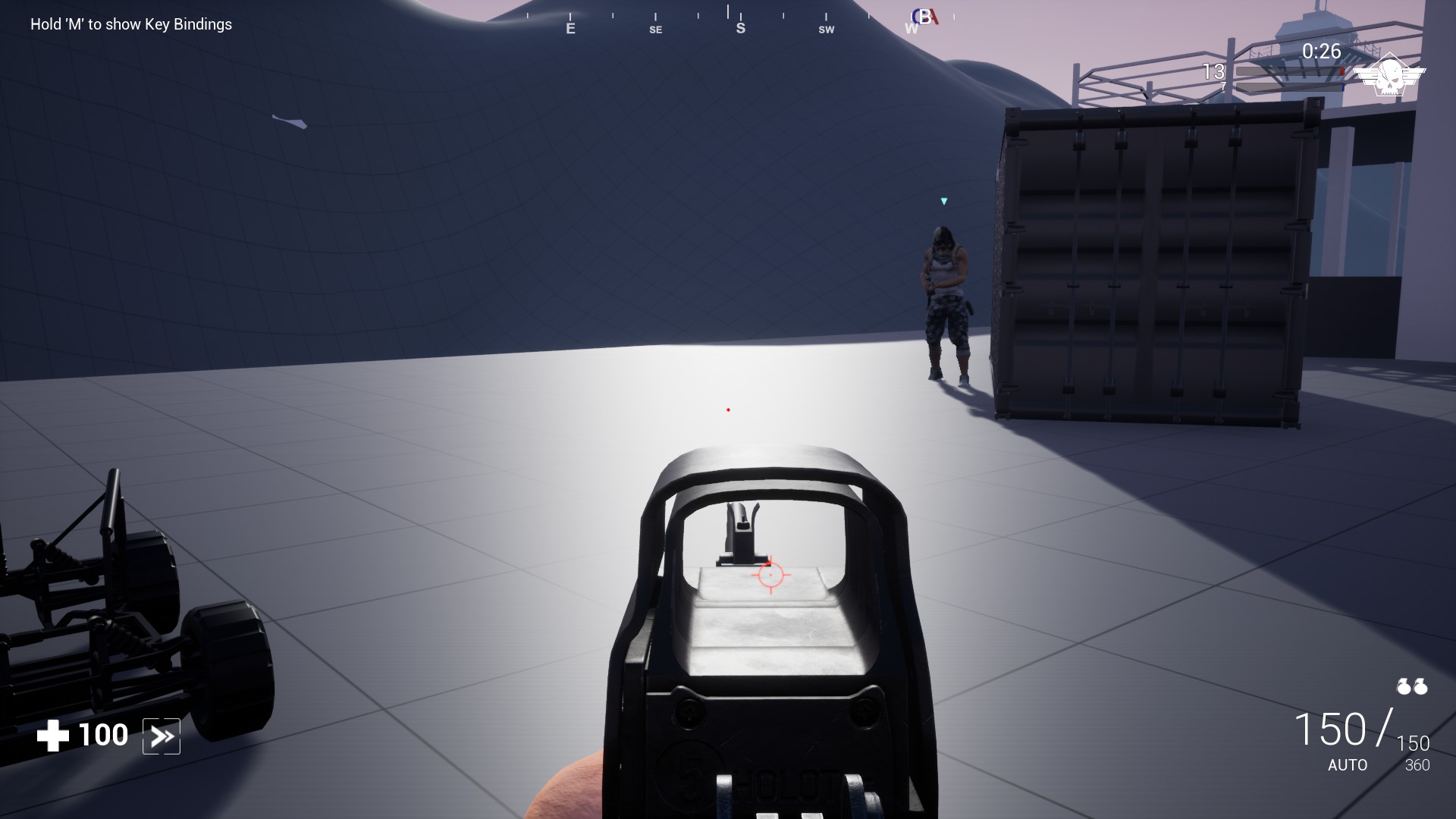
Cyber Watch is a shovelware title hastily cobbled together in the Unreal Engine and tossed onto Steam for a couple of bucks in the hopes that enough people will buy it and not refund it to make a little bit of profit. Tossed onto Steam by a ragtag group of seven named individuals, Cyber Watch hopes to abuse the fact that it is “under development” to avoid criticism while not making use of Steam’s Early Access label.
The first thing you see on Cyber Watch’s store page is:
*****NOTE*****
THE GAME IS STILL UNDER DEVELOPMENT AND IT DOES NOT REPRESENT THE FINAL VERSION OF THE GAME.THERE IS STILL A LOT TO IMPROVE AND ADD
SO IF YOU WANT THE FULL EXPERIENCE OF THIS GAME PLEASE WAIT FOR THE FINAL VERSION TO RELEASE.UNNECESSARY REVIEWS WOULD NOT BE APPRECIATED.
What you get is a barely functioning pre-alpha build of a game whose working components I have to assume were built into the Unreal engine or available as an asset pack on the Unreal store. From untextured, very basic maps to weapons that may function halfway or break your character (see aim-down-sights in the screenshot below), to “vehicles” being nothing more than untextured RC cars that sloppily plant your character mode behind it.
Cyber Watch also blasts Neffex songs through your speakers at about ten times the volume of the rest of the game.
To further cement the idea that Cyber Watch is a hastily cobbled together mess of a prototype, as of one week ago this game wasn’t actually called Cyber Watch. SteamDB’s history shows that Cyber Watch was previously titled The Battle Of Bellum up to January 1, 2020. It was previously listed for a January 18 release date before the team just dumped it on the store on January 12. The Battle Of Bellum it seems would have been a third person action adventure game judging from a prior description:
“This game is a third person shooter game.This game is full of acton and adventures.”
Prior Steam listings also have The Battle Of Bellum listed as a single player game with achievements, so it seems like the team threw out what they had at the last minute and opted instead to push a rushed featureless prototype of a shooter on the store in the hopes that slapping a “this is unfinished” sticker would stifle criticism and people would buy the game regardless. It might have worked if they had listed the game as early access. They didn’t.
It isn’t going to work. I personally bought the game to drop a review and received this response from the developer:
“THERE IS A BIG NOTE IN THE DESCRIPTION……MAYBE….. MAYBE YOU DIDNT SEE IT…..ITS OKAY ……EVERYTHING YOU ARE SAYING IS ALREADY MENTIONED IN THE DESCRIPTION……SO DONT WASTE YOUR TIME ON COMMENTING LIKE THIS”
Posting in all caps always makes you correct, and trust me there is no way anything associated with this game is not a huge waste of time.
Thankfully with the way Steam goes, Cyber Watch will be buried in the history books with the rest of the low-effort shovelware to come out on Steam.

Who says Valve doesn’t clean up their trash? Other than everyone.
Back when Valve issued a new directive that the company would no longer be curating titles with the exception of illegal games and troll titles, opting instead to merely allow its algorithm to bury lower quality titles in the furthest depths of the Steam store where nobody will see them anyway. More recently, the company has been on a bit of a ban spree, seemingly taking out developers releasing shovelware and asset flip titles.
According to Steam Tracker, Valve has banned more than 150 titles this month alone. Most of the titles appear to fall into categories of asset flips, obvious troll titles, and low quality flash-looking games. We were unable to ascertain how many developers this list spreads across, but Valve often deletes a developer’s entire catalog when one title is banned. Many of the titles had initially released as far back as January/February, but some others hadn’t even hit the market yet.

Shovelware developer Silicon Echo is apparently pulling out of game development after action by Valve led to more than 170 of their games getting yanked from Steam. Silicon Echo is the renowned game developer known for hit titles including Shapes, Shapes 2, Shapes 3, Shapes 4, Shapes 5, Shapes 6, Shapes 7, and Shapes 8. Their library of games consists primarily of minimal effort asset flips pushed onto the Steam storefront in an effort to turn a quick profit using quantity over quality.
All of that came to an end when Valve, without warning, yanked the entire Silicon Echo library, including titles hidden away via separate Steam accounts. In a statement to Polygon, Silicon Echo expressed that it is giving up game development as its reputation is in tatters and its primary source of income now gone.
“This situation has completely destroyed everything we have been working for in the past 3 years and we are forced to give up game development at this point for more that [sic] one reason,” Silicon Echo said. “Mainly because our reputation is destroyed beyond repair, but also for financial reasons. We wish we have been warned about this before, in that case we would focus on a different business plan of development.”
Valve has increased its commitment to removing shovelware titles from Steam this year after mounting criticism that the barrier of entry is too low, and after a large series of low quality asset flips and outright fake games have flooded the market. The situation of Steam being flooded with titles has gotten so bad that 2016 accounted for 40% of all games on the store.

An empty wilderness, terrible sound quality, cheap animations, and unfinished assets everywhere with nothing to do but die and see your character irreversibly bricked. It may be in alpha, but Wild West Online is easily a fast contender for worst game of 2017, what is looking to be a shoddy title with questionable connections to one of the most incompetent developers in the gaming industry. Read this preview and stay far, far away.
One thing I’d like to ask about developer 612 Games: Who are they? Do they have a website? No. Does WWO Partners have a website? No. According to the Wild West Online website, the name is trademarked under the US Trademark system by WWO Partners and others. So I decided to do some digging and found exactly what I was looking for:
DJ2 Entertainment Inc. DBA WWO Partners
DJ2 Entertainment doing business as WWO Partners, or in layman’s terms WWO Partners isn’t a real company. Imagine DJ2 Entertainment is Adam Sandler in the Jack & Jill movie and WWO Partners is when he puts on a wig and pretends to be his own sister.
The announcement that Wild West Online is following the model of The War Z, another low effort shovelware title pushed out in connection with Sergey Titov, immediately red flagged this game in my book. Impressively, War Z also had such a refund. It wasn’t until after the refund period that OP Productions (or Hammerhead or whatever they’ve changed their name to these days) stopped pretending that it would live up to certain promises and started coming down hard on the invasive microtransactions. Let me also remind you that War Z was one of the first games to be involuntarily pulled from Steam over fraudulent advertising.

But this game has nothing to do with The War Z or Free Reign Entertainment, the company just by coincidence uses the same engine, had similar website/forum structure, utilizes the same payment processor, and creative director Stephan Bugaj happens to be friends with Sergey Titov on Facebook. DJ2 Entertainment just happened to have worked on Romero’s Aftermath, the equally low quality War Z clone pushed out after the original was abandoned, and was similarly abandoned in short time. Wild West Online’s PR is being handled by Vim Global who, you guessed it, also worked on Shattered Skies. And finally Wild West Online’s trademark was filed by Steven A. Bercu of Lime LLC, also responsible for filing trademarks for all of Titov’s other shell corporations under a slightly different forming of his name.
In case all of the companies I’m listing is confusing you, don’t worry. Sergey Titov and his Free Reign Entertainment crew go through LLCs like they’re candy, each new reboot of War Z was created by a completely new developer with absolutely no online corporate presence, that seems to exist in name only just like WWO Partners.

This weekend’s alpha test is supposed to sell you on Wild West Online, this much is obvious to everyone but the community manager and its tiny cabal of fans. It’s one of two alpha tests before the refund policy ends and you’re up poop creek without a paddle (unless you know how to dispute a transaction via Paypal or issue a chargeback), so rather than treat this like a stress test with minimal features, I’m going to preview Wild West Online like it’s already trying to show off for my money. Which it is.
Everything I need to know about Wild West Online, I learned in the first half hour. A wild west shooter, the game starts you out with a six shooter and no money in a safe zone town somewhere on the open world map. I went to the shop to find that I couldn’t buy anything, watched players run around town, and ran off toward adventure. About three minutes out of town, another player ran up and started a shootout. I lost. Upon respawning, I found that my gun, my medicine, and my ammunition were gone. My character was effectively dead and couldn’t even be deleted it seemed.
And that’s pretty much it. The graphics are nowhere near what we saw in earlier videos, the towns are barren of bystanders, and the world doesn’t have any NPCs roaming around. Your character doesn’t make any footstep sounds when running around, there are hundreds and hundreds of unfinished assets lying around, and the developers don’t seem to understand how skin tone works.

This is what black people looked like in the wild west.

I am hoping that Wild West Online isn’t being developed by the guys who made The War Z, and I say this only because it would mean that the team has become even less competent. While War Z’s alpha may have been a two-bit hack job, it at least masqueraded as what could potentially become a competent product. Wild West Online shows up to work with yesterday’s clothes and a half-empty bottle of whiskey, still drunk because it never stopped from the night before.
Wild West Online is an embarrassment, both in the idea that it is a paid alpha and that WWO Partners expects players to use this to judge whether or not they want to refund their purchase. And they can complain to unhappy customers all they want that this weekend was clearly a “technical test” and was deliberately gutted of content, it doesn’t change the fact that players have two weekends to decide whether or not the game is worth keeping their money in, and WWO has clearly squandered its first of two impressions.

Those of you who use or follow Steam in any capacity are no doubt aware of the high volume of low effort shovelware being heaped onto the service, increasingly from developers out of Russia, that have popped up on Steam for one purpose: Farming trading cards. These games use unscrupulous methods, through bot voting or through key bribery, to get their games greenlit, after which the game is immediately besieged by thousands of bots who idle the game and then sell the trading cards for money or break the cards down into gems which are then sold for money. The bots make money, the developer gets a cut of the sales, and others have more incentive to throw their shovelware onto Steam for an easy, if ill-gotten, profit.
The practice has become so popular that there are entire Steam groups dedicated to buying up these low quality games for the purpose of farming cards in large quantities.
Today’s Steam update takes those bad actors out back and buries them next to the rose bushes. In order to be eligible for trading cards, a game must obtain a certain confidence level showing that people are actually playing. In the update notice, Valve attributes changing the trading card system as being to cut down on faux data.
As we mentioned in our last post, the algorithm’s primary job is to chew on a lot of data about games and players, and ultimately decide which games it should show you. These Trading Card farming games produce a lot of faux data, because there’s a lot of apparent player activity around them. As a result, the algorithm runs the risk of thinking that one of these games is actually a popular game that real players should see.
Thankfully this system is retroactive, meaning you’ll receive any cards you should have once they are made available.
Instead of starting to drop Trading Cards the moment they arrive on Steam, we’re going to move to a system where games don’t start to drop cards until the game has reached a confidence metric that makes it clear it’s actually being bought and played by genuine users. Once a game reaches that metric, cards will drop to all users, including all the users who’ve played the game prior to that point. So going forward, even if you play a game before it has Trading Cards, you’ll receive cards for your playtime when the developer adds cards and reaches the confidence metric.
Valve has confidence that this system will function better than Steam Greenlight, whose failure to curate allowed the games onto the marketplace to begin with, due to the extra variables and larger base compared to the relative few who use Greenlight. Most recently, Valve made major changes to gifting Steam games in order to combat bad hombres.
(Source: Steam)

 MMO Fallout